Performance shooting, taught from experience.
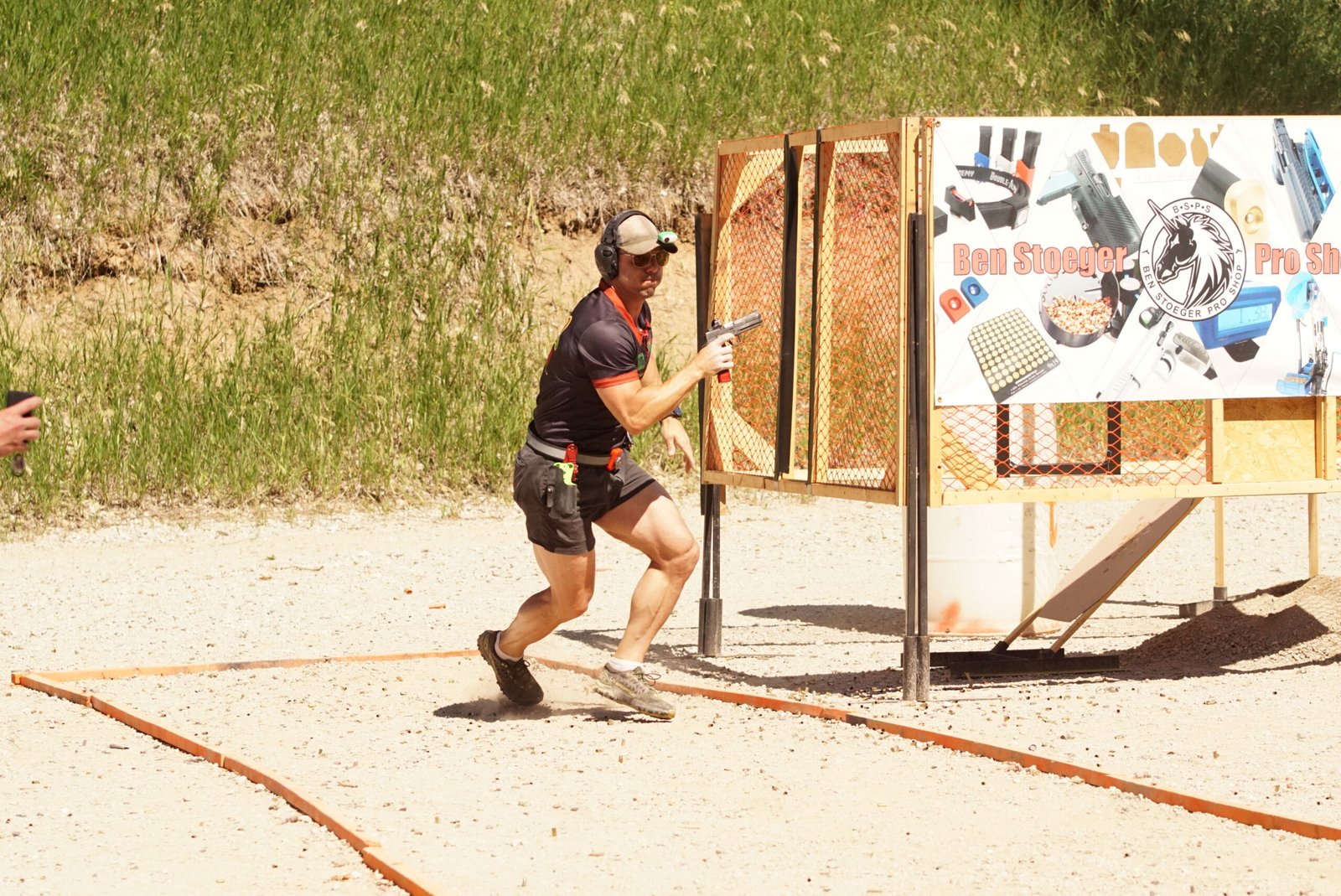
I’d spent years in law enforcement and considered myself a pretty capable shooter. Then I discovered competition and realized how much more there was to learn.
Competition forced me to look at shooting differently. I started taking classes, learning from the best shooters and instructors I could find, and deliberately breaking down my own performance. Instead of simply trying to shoot better, I became interested in why things worked, why they didn’t, and what actually produced improvement.
That process changed the way I trained and eventually, people started asking me to teach.
Those opportunities led to a full-time position in the Firearms Section of my agency’s Training Unit and, ultimately, to teaching shooters, firearms instructors, and law-enforcement agencies across the country.
Being able to shoot and being able to teach shooting are two different skills.
Understanding it is only half the job.
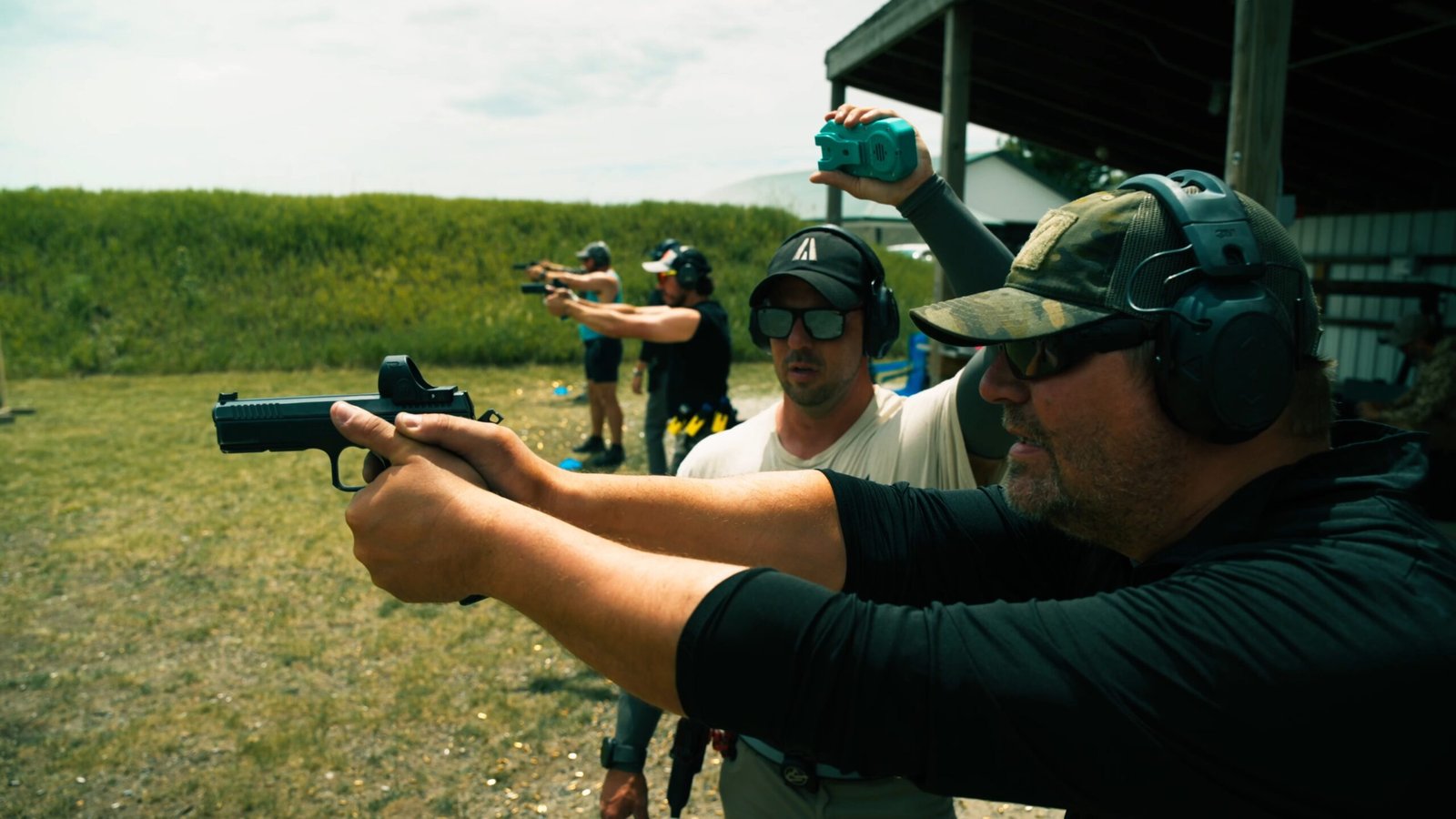
I’ve taught thousands of students, from people who had never held a handgun to Grand Master-level competitive shooters.
Competitive shooters generally show up because they want to be there. They’re motivated, attentive and actively trying to improve. Law-enforcement training gives you a much wider spectrum. Some officers are highly motivated shooters. Some simply need to meet the demands of the job. Most fall somewhere between those two.
Teaching across that spectrum forced me to become better at communicating.
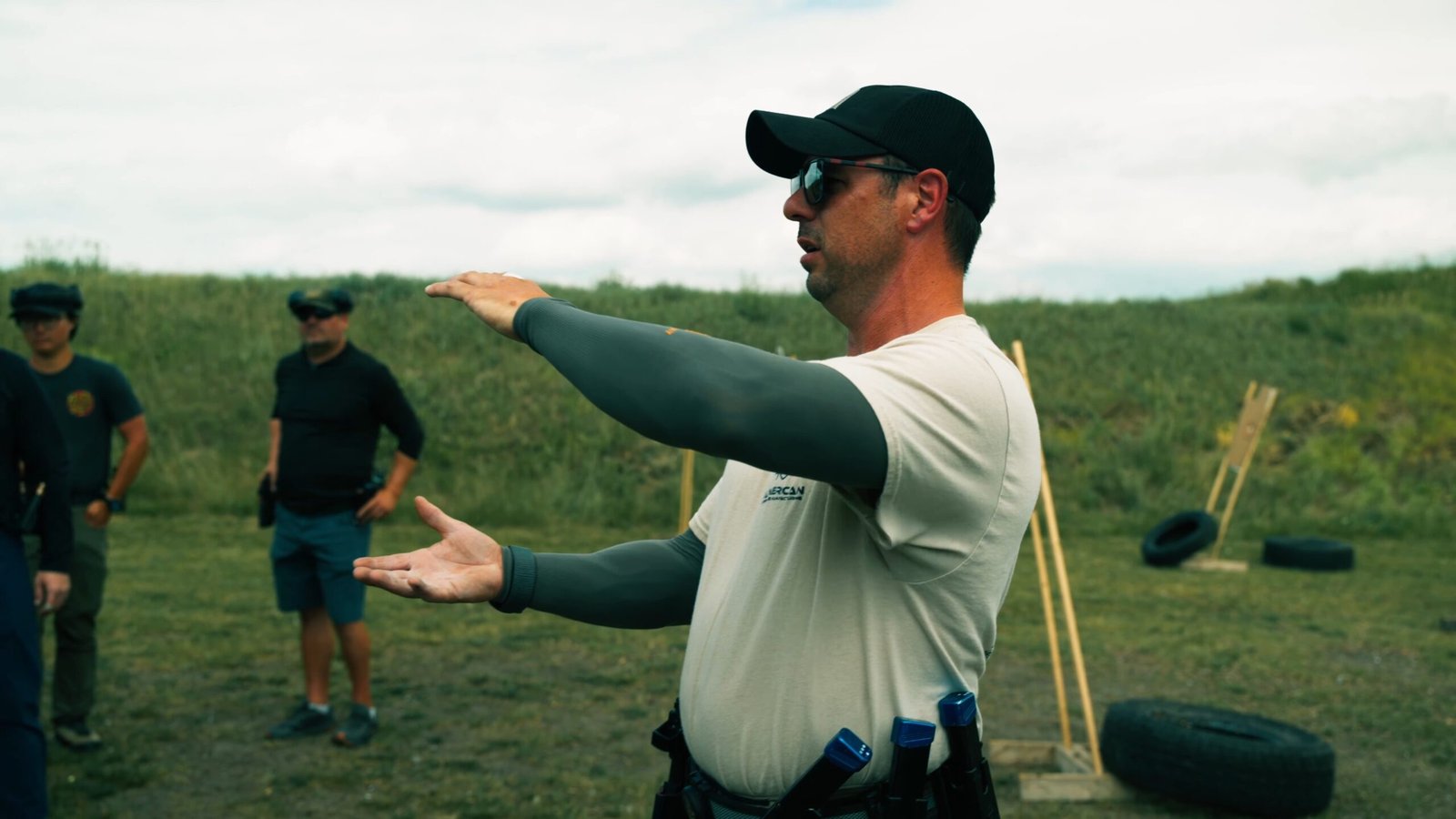
The same concept may need to be explained three different ways before it clicks for three different people. Over time, I’ve learned to strip ideas down, communicate them clearly, watch what the shooter actually does and adjust from there.
Good instruction means knowing what matters, what doesn’t and when to shut up and let students shoot.
Mistakes Are the Point
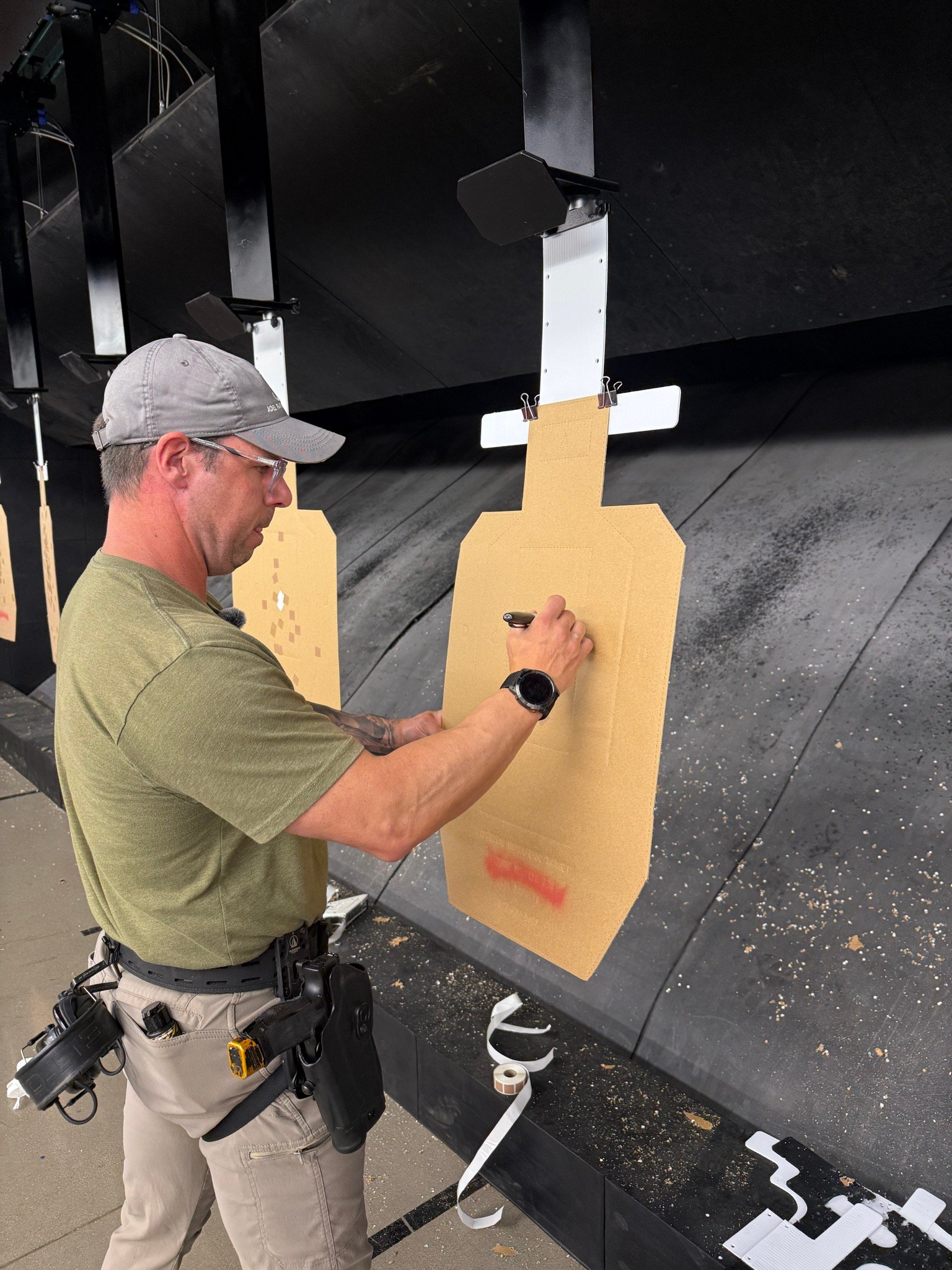
Mistakes are where a lot of learning comes from and instructors often give students way too much information because they’re trying to prevent mistakes before they happen.
In my classes, students are continually asked to perform at a level that’s just outside what they can consistently do. You’re going to miss, make mistakes and try things that don’t work. That’s intentional. If you’re always successful in training, you’re probably spending too much time doing things you already know how to do.
What matters is whether you can recognize the mistake, understand what caused it and make a useful correction. I want students paying attention to those cause-and-effect connections while they’re shooting, not waiting for an instructor to tell them what happened afterward.
That’s a skill in itself, and it takes time to develop. But once you can diagnose your own shooting, training becomes a very different process. You stop chasing the next technique or drill that’s supposed to fix everything and start getting better at identifying and solving your own problems.
You shouldn’t need me forever.
A lot of shooters spend their training time looking for the next technique, drill or piece of advice that’s going to fix whatever they’re struggling with. Usually, what they need is to get better at understanding what their shooting is already telling them.
That means spending time outside the comfortable part of your skill set, where you’re going to make mistakes and have to figure out why they happened. It’s more mentally demanding than simply repeating something until you can produce a good target or a good score, but it’s also where you start learning how to train instead of just repeating what you can already do.
I don’t expect someone to leave a class with every problem in their shooting fixed. I’d rather they leave understanding what they need to work on, how to recognize the mistakes they’re making and how to structure their training around those problems.
If you leave with six to nine months’ worth of useful work to do and don’t need me standing there to tell you whether you’re doing it correctly, I’ve done my job.
A good class shouldn’t just make you shoot better. It should make you better at getting better.
Performance shooting meets law-enforcement training.
Practical shooting changed the way I understood firearms training. It exposed me to better ways of thinking about performance, practice, skill development and coaching, and a lot of that has influenced the way I teach law-enforcement shooters and instructors.
But the two environments aren’t interchangeable. Agencies have different students, different requirements and plenty of institutional realities that don’t exist in a competition class. I’ve spent enough time working in both environments to understand where the ideas transfer well and where they don’t.
That experience is a big part of the agency work I do now. Sometimes that means working with instructors. Sometimes it’s looking at curriculum, helping restructure a firearms program or figuring out why an existing program isn’t producing the results an agency wants.
I’m not interested in turning an agency class into a USPSA-centered class. I’m interested in taking what practical shooting has taught us about performance and skill development and applying the parts that actually make sense for people who carry guns professionally.
Learning from good instructors.
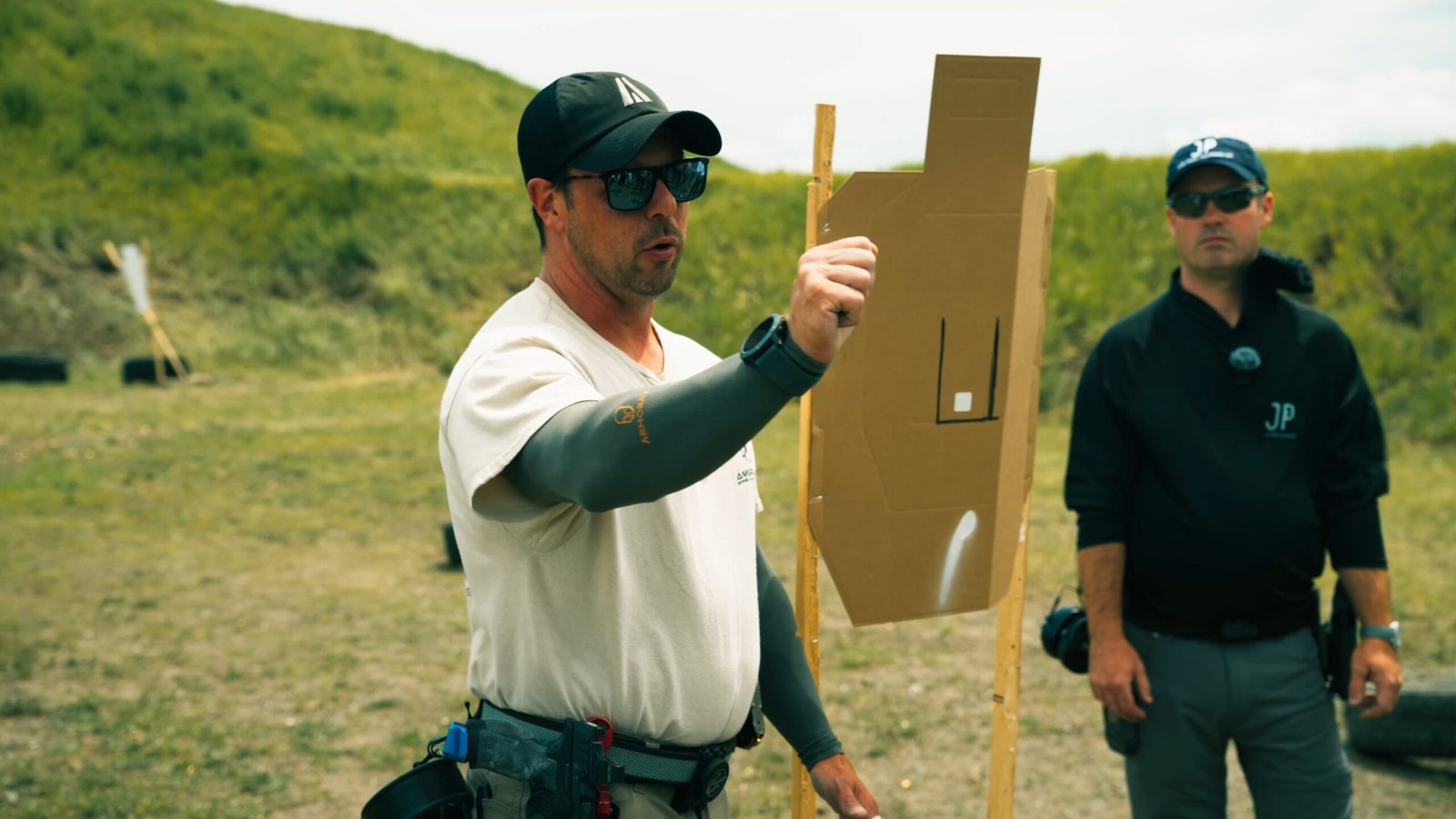
I originally knew Ben Stoeger and Joel Park by reputation. They were two of the people I was learning from while I was trying to understand practical shooting at a much deeper level. Over time they became mentors, and eventually friends.
I’ve been fortunate to spend a lot of time watching both of them teach and coach, and I’ve learned as much from paying attention to how they work with students as I have from anything they’ve taught me about shooting. Teaching alongside them has also forced me to keep examining how I communicate and how I approach students.
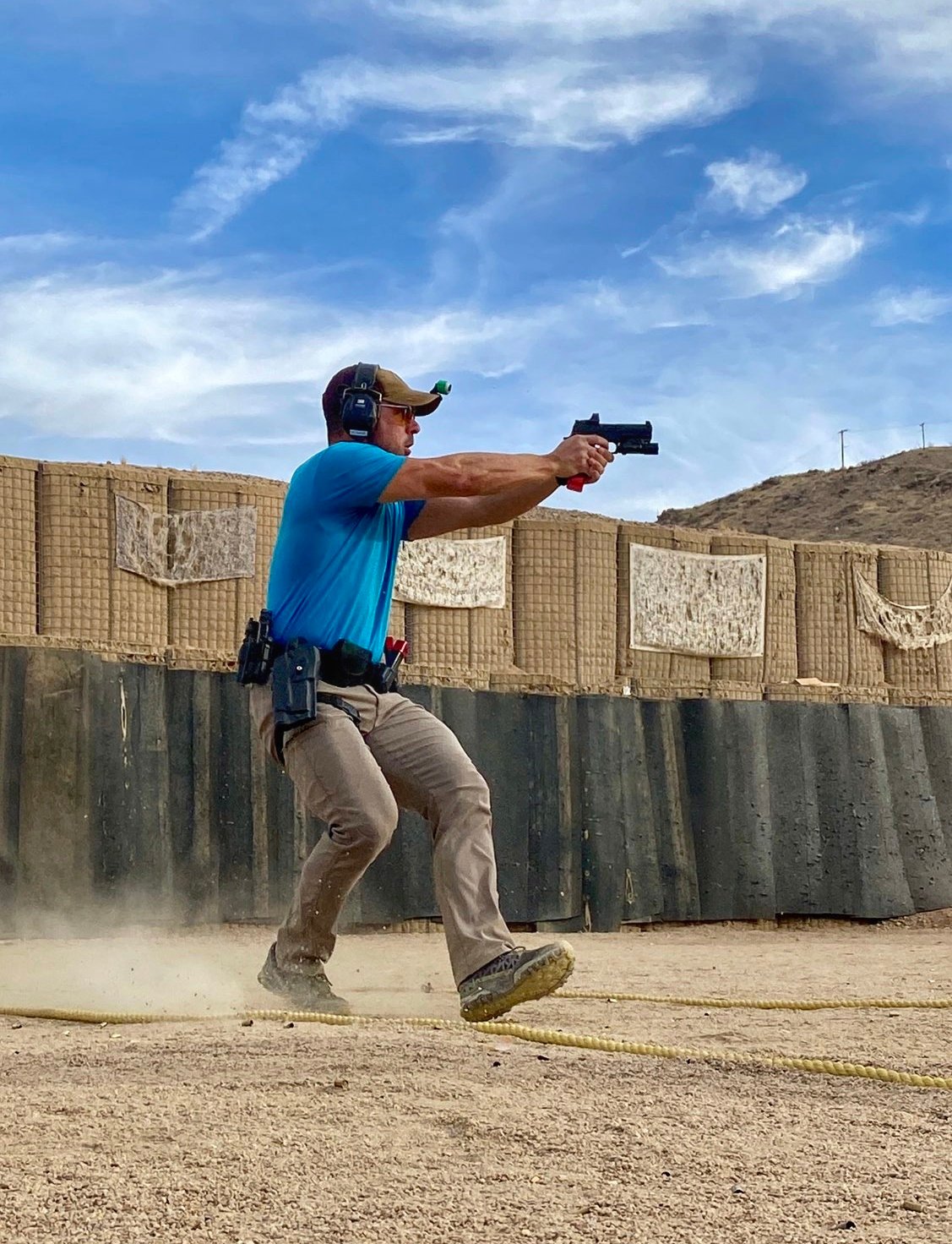
I’m a USPSA Master-class shooter. I shoot well enough to understand this stuff at a fairly high level and demonstrate what I’m teaching, but I’m not going to pretend I’m one of the best shooters in the sport. I’m not.
Being a good instructor is a different job. My shooting ability matters, but ultimately I’m there to help the person I’m teaching understand and improve theirs.
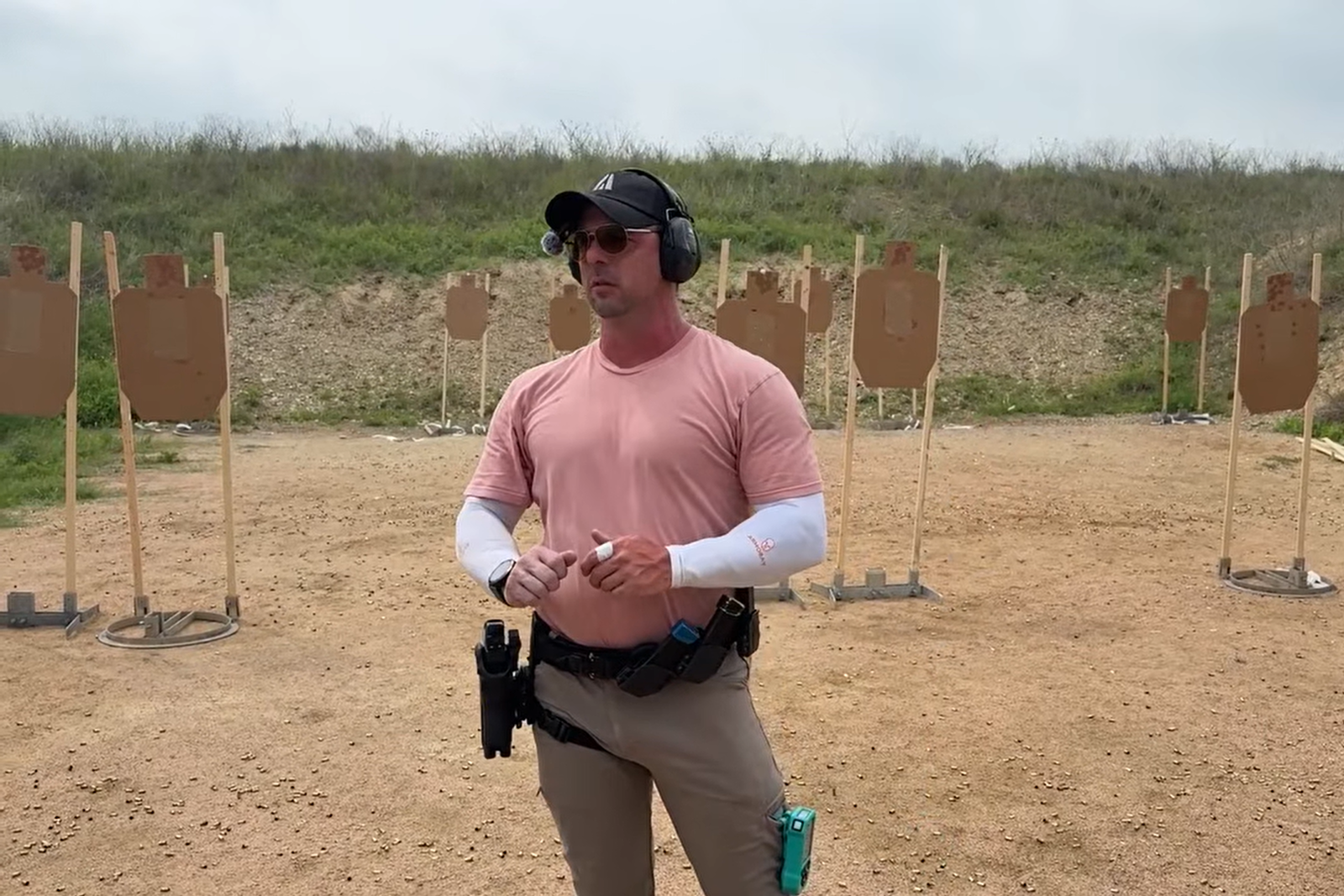
I teach practical and performance-based shooting around the country to individual shooters, competitors, firearms instructors and law-enforcement agencies.
I also work directly with agencies on instructor development, curriculum and firearms programs. That work can be anything from helping instructors improve how they diagnose and coach shooters to taking a much broader look at how an agency structures and conducts firearms training.
Whether I’m teaching a class or working with an agency, I’m trying to leave people better equipped to figure things out for themselves. They should understand what they’re seeing, have some idea why it’s happening and know what they can do about it.